
Rider Safety · 3 min read
Why Indians Avoid Wearing Helmets Despite the Risks
Why Do So Many Indians Hate Wearing Helmets, Even When They Know Helmets Save Lives?
31 Oct 2026
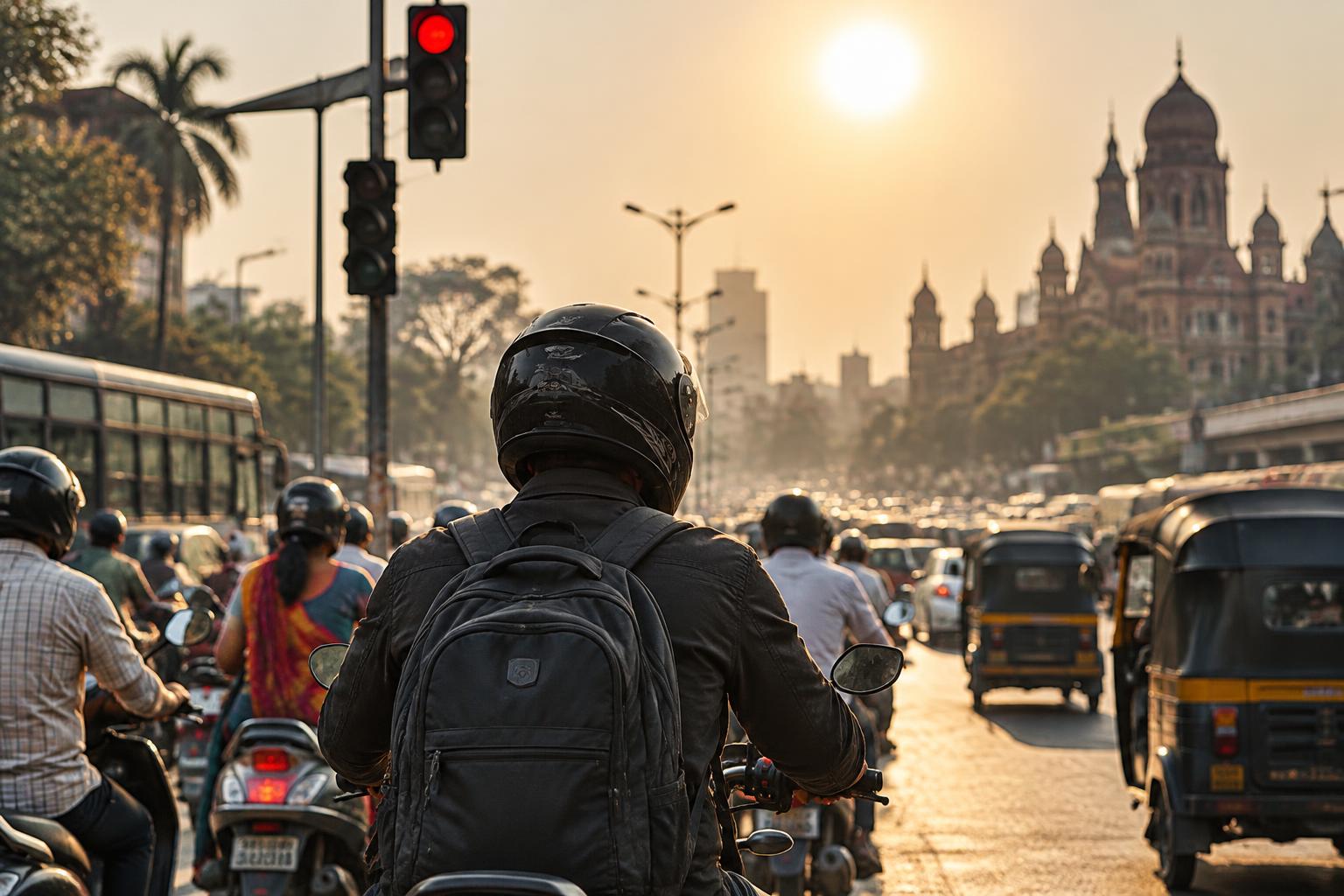
An average rider spends ₹1,500 - ₹3,000 on a helmet, hangs it proudly on the bike's handlebar, and rides off without wearing it. The helmet gets a free sightseeing tour. The rider gets absolutely none of its protection.
It's a familiar contradiction on Indian roads. We know helmets save lives. We see road safety campaigns everywhere. Yet some riders still treat helmets like optional accessories. So, what's really going on?
Why Do People Avoid Wearing Helmets in India?
Helmet avoidance is influenced by discomfort, perceived inconvenience, social habits, risk perception and attitudes toward enforcement. It's rarely as simple as people not knowing helmets are important.
The Heat Is Real
Indian summers are not exactly helmet-friendly. During hot weather, riders may experience sweating, trapped moisture and discomfort, especially in slow-moving traffic.
Research published in Annals of Occupational Hygiene found that ventilation affects heat loss and thermal comfort in full-face motorcycle helmets. For someone commuting through traffic every day, comfort can influence their willingness to wear protective gear. But discomfort is a problem to solve, not a reason to abandon protection.
I'm Only Going Nearby: This might be India's most popular road safety excuse. The grocery store is five minutes away. The petrol pump is around the corner. The office is just down the road. Unfortunately, road accidents don't check your estimated arrival time.
A short journey doesn't eliminate the possibility of a crash. The World Health Organization reports that correctly worn, quality helmets substantially reduce the risk of death and brain injury among motorcycle riders. Distance doesn't change the basic physics of an impact.
The Social Factor: Riding behaviour is also influenced by what people around us consider normal. If friends or family regularly ride without helmets, the behaviour may begin to feel acceptable. Convenience can become a habit. So can safety.
The challenge is making proper helmet use feel like a normal part of riding, rather than something done only when traffic police are nearby.
Is Wearing a Helmet Actually Effective?
Absolutely. According to the WHO, safe, quality motorcycle helmets reduce the risk of death in a crash by more than six times compared with not wearing a helmet. They also substantially reduce the risk of brain injury.
These findings reinforce something important: a helmet isn't merely a legal requirement. It's protective equipment with a measurable safety benefit. However, choosing an appropriate helmet matters too. A poorly fitted, damaged or incorrectly fastened helmet may not provide the protection expected.
Could Better Comfort Encourage Helmet Use?
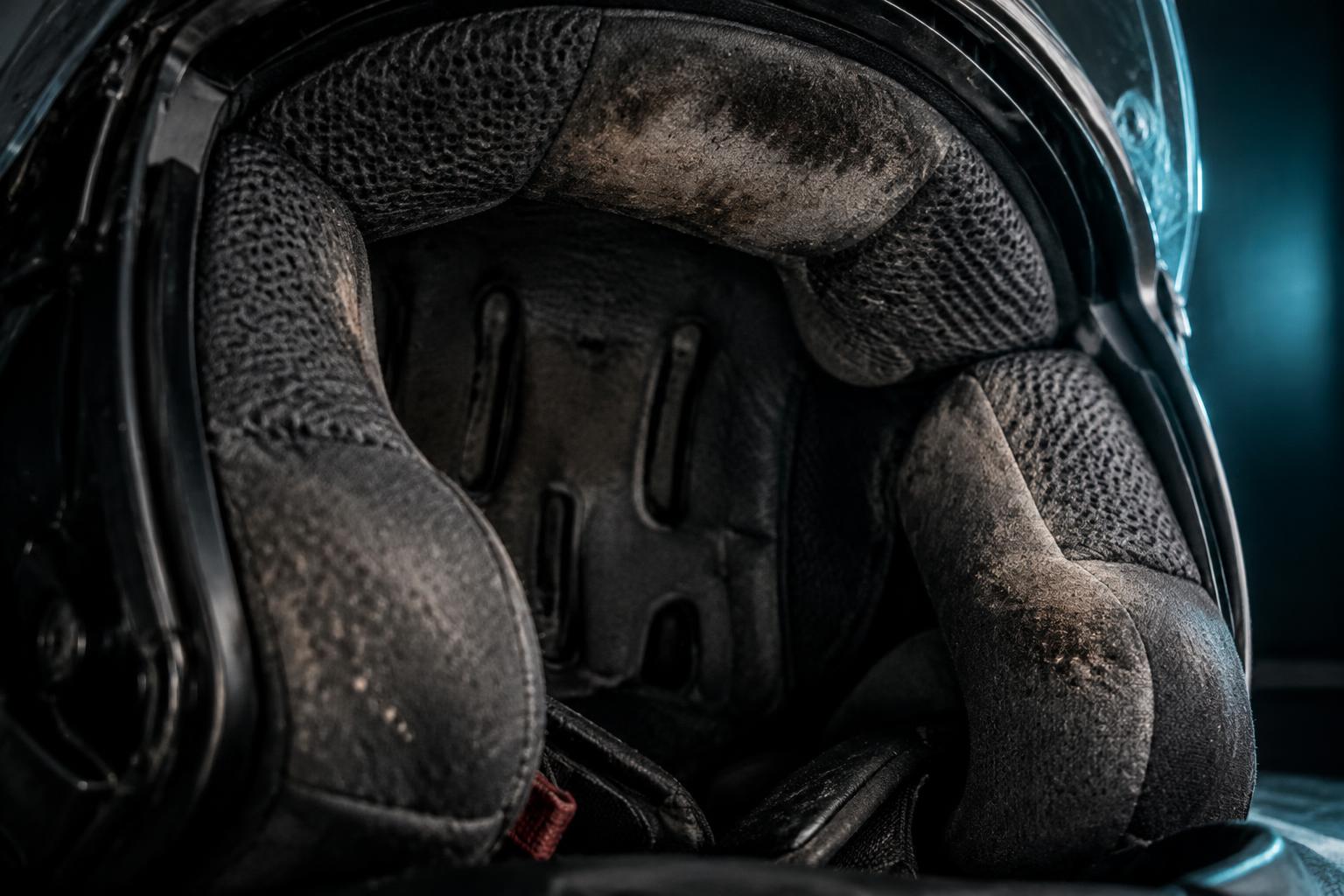
Comfort deserves more attention in road safety conversations. A properly fitted helmet with suitable ventilation can make regular riding more manageable. Maintaining clean, dry interior padding may also improve the everyday wearing experience. And perhaps that's a missing part of the conversation. We spend considerable time telling riders why helmets are necessary, but less time discussing how to make wearing them comfortable and convenient. Services such as Helmio, which provide automated helmet hygiene and sanitization, aim to make regular helmet care easier to access.
Helmet hygiene alone won't solve India's road safety challenges. But making protective equipment more pleasant to use is a worthwhile step. Because a helmet protecting your bike's handlebar is doing a remarkably poor job of protecting you.
Frequently Asked Questions
Why do some Indian riders avoid helmets?+
Common considerations include discomfort, inconvenience, short-distance travel and attitudes toward safety rules.
Do helmets really reduce fatal injuries?+
Yes. WHO evidence shows that correctly worn, quality helmets substantially reduce fatal and serious head-injury risks.
Can helmet hygiene improve comfort?+
Regular cleaning and drying can help reduce accumulated sweat, dirt and odour, making helmet use more pleasant.