
Skin & Scalp · 6 min read
Can Wearing a Helmet Cause Acne and Scalp Problems?
Can Your Helmet Cause Acne, Itching or Scalp Problems? What Dermatology Says.
31 Oct 2026
You follow your skincare routine. You wash your face. You've finally figured out which moisturiser doesn't make your skin rebel.
Yet somehow, a new pimple appears on your forehead.
Again.
Before blaming your skincare products, there's another everyday item worth investigating.
Your motorcycle helmet.
Yes, the very thing protecting your head might also be contributing to some of your skin troubles.
The good news? You don't need to choose between road safety and healthy skin.
Can Wearing a Helmet Actually Cause Acne?
Yes, helmet-related friction, trapped sweat and heat can contribute to acne breakouts, particularly in people with acne-prone skin. Dermatologists call this condition acne mechanica.
The American Academy of Dermatology (AAD) specifically identifies helmets and other protective equipment as potential triggers.
Acne mechanica develops when equipment repeatedly rubs against the skin while trapping heat and sweat.
The resulting irritation can contribute to clogged pores and breakouts.
It's commonly associated with areas where equipment fits closely against the body.
For motorcycle riders, that may include the forehead, cheeks and chin.
Interestingly, the AAD notes that early signs can include small, rough-feeling bumps that are easier to feel than see.
So that mysterious forehead texture you've been wondering about? Friction could be one possible explanation.
Your Helmet Doesn't Need to Be Dirty to Irritate Your Skin
Here's where things get interesting.
A freshly cleaned helmet can still cause irritation if it doesn't fit correctly or repeatedly rubs against sensitive skin.
That's because acne mechanica isn't simply a cleanliness problem.
It's also a mechanical one.
Pressure, friction, heat and sweat can all contribute.
A poorly fitted helmet may create unnecessary pressure points, while a properly fitted helmet should remain secure without causing excessive discomfort.
Of course, hygiene still matters.
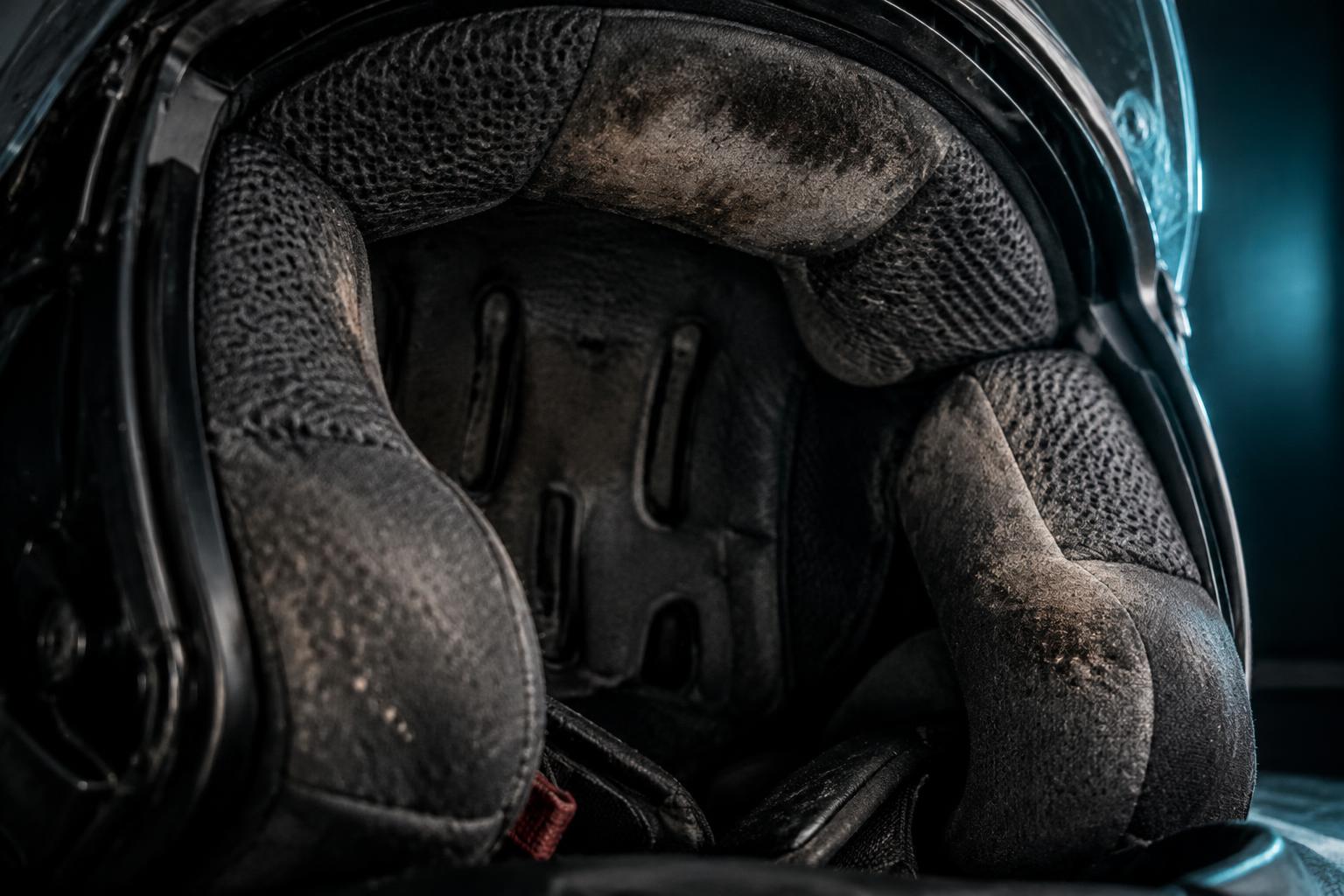
Repeatedly wearing padding that has accumulated sweat, oils and other residues may make the experience less comfortable.
But blaming every breakout on bacteria inside your helmet would be scientifically inaccurate.
Skin is complicated. Sometimes frustratingly so.
Why Does Your Scalp Itch After Wearing a Helmet?
Scalp itching can have several causes.
Sweat and heat may contribute to irritation, especially when the scalp is already sensitive.
Friction from helmet padding can also create discomfort.
In some cases, reactions to materials, fragrances or cleaning products may be involved.
Other possible causes include dandruff, seborrhoeic dermatitis, eczema or fungal conditions.
These problems aren't interchangeable, and they don't all respond to the same treatment.
For example, persistent flaking and itching may require a different approach from irritation caused by a tight chin strap.
The important thing is to pay attention to patterns.
Does the itching begin only after long rides? Does it occur where the padding touches your skin? Have you recently changed your helmet cleaner?
These details can help a dermatologist identify the cause.
Does Sweat Make Helmet Acne Worse?
It can contribute, particularly when combined with friction.
Sweat is a normal part of your body's temperature regulation system.
However, when sweat remains trapped against skin beneath equipment, the combination of moisture, heat and rubbing can aggravate acne-prone areas.
This doesn't mean sweating itself is unhealthy.
Your skin is simply dealing with conditions it may not appreciate.
A 45-minute commute in warm weather can create a very different environment around your forehead compared with sitting comfortably indoors.
And if you're wearing the same helmet for the return journey, the condition of the padding becomes relevant too.
Five Habits That Can Help Reduce Helmet-Related Skin Irritation
1. Check Your Helmet Fit
Your helmet should fit securely according to the manufacturer's guidance.
Persistent pressure points, excessive movement or uncomfortable rubbing deserve attention.
Don't loosen the helmet simply to avoid friction. Proper fit is essential for protection.
2. Clean Your Face After Sweaty Rides
Gently cleansing sweat and accumulated dirt can help maintain skin comfort. Avoid aggressive scrubbing, particularly when your skin is already irritated. Your forehead doesn't need an exfoliation session every time you reach the office.
3. Maintain the Interior Padding
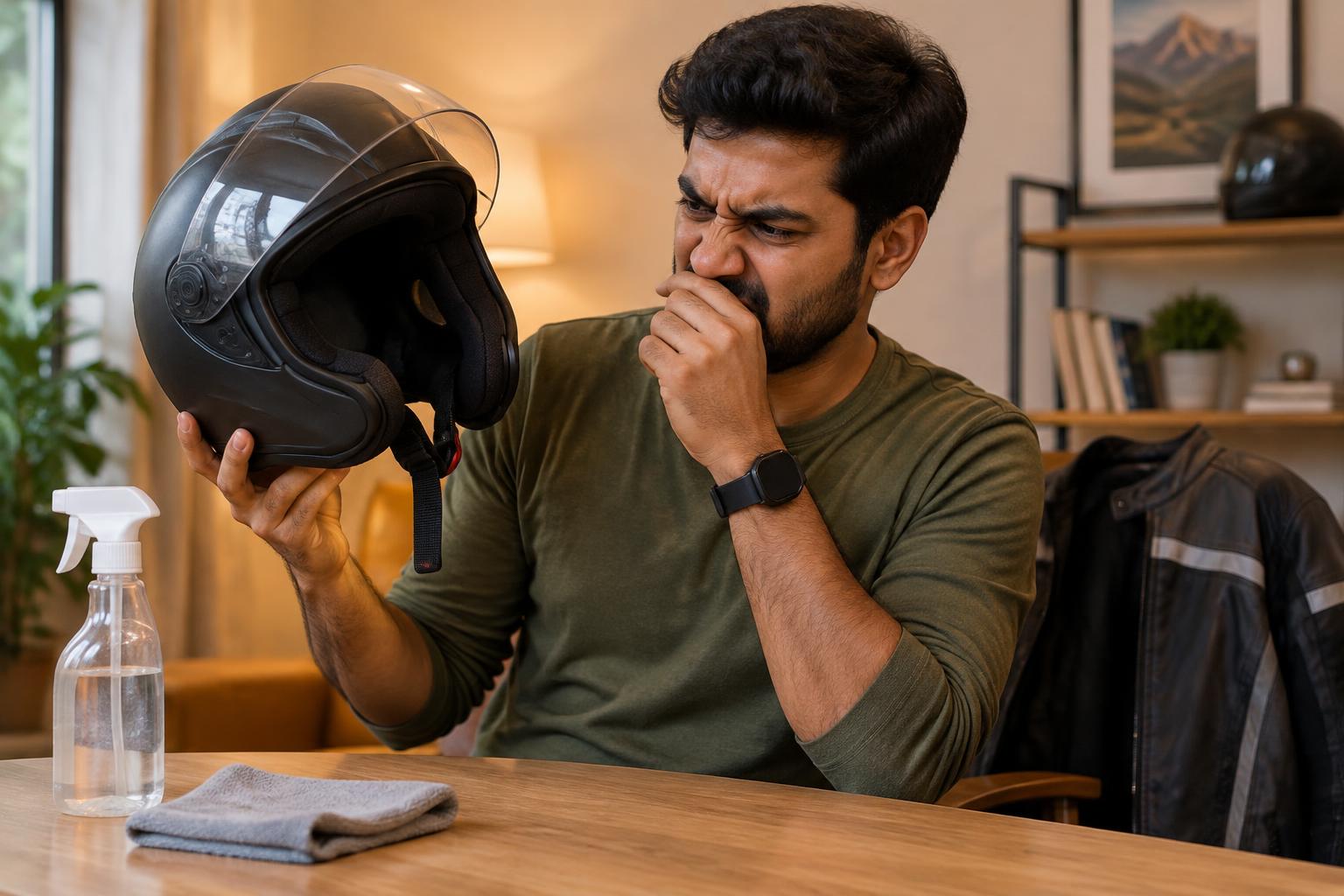
Follow the helmet manufacturer's instructions for cleaning removable or fixed liners. Regular cleaning helps remove accumulated sweat, oils and dirt. Avoid spraying harsh disinfectants or skincare products directly onto helmet materials.
4. Let Your Helmet Dry Properly
Damp padding can be uncomfortable during repeated use.
After riding, allow the helmet to air out in a suitable location.
Avoid excessive heat, including hair dryers, unless explicitly permitted by the manufacturer.
5. Know When to Visit a Dermatologist
Persistent acne, painful bumps, spreading rashes or recurring scalp irritation deserve professional attention.
The AAD advises seeking dermatological help when acne mechanica does not improve with appropriate care.
A helmet hygiene routine is useful, but it isn't a substitute for medical treatment.
What About Helmet Liners and Cleaning Products?
Not all cleaning products are suitable for helmet interiors.
Some fragrances or chemical ingredients may irritate sensitive skin.
Certain solvents can also damage helmet materials.
Manufacturer SHOEI recommends neutral cleaning agents for appropriate interior components and warns against harsh chemicals.
This is worth remembering before reaching for a random household cleaner.
A product that's excellent at cleaning your bathroom isn't automatically a good choice for something sitting against your face.
Healthy Skin and Safe Riding Can Coexist
The solution to helmet-related discomfort isn't to stop wearing a helmet.
It's to pay closer attention to fit, skin care and regular maintenance.
For people who ride daily, professional helmet hygiene services can also become a convenient addition to their routine.
That's part of the thinking behind Helmio, which offers automated helmet hygiene and sanitization services for everyday riders.
It doesn't replace dermatological care or the need to wash helmet liners properly, but it makes additional helmet care easier to access.
Your helmet should be protecting your head, not becoming the main character in your skincare problems.
Frequently Asked Questions
Can helmets cause forehead pimples?+
Yes. Heat, sweat and repeated friction from helmets may contribute to acne mechanica, particularly in acne-prone individuals.
Can a dirty helmet cause scalp itching?+
Accumulated sweat and residues may contribute to discomfort, but itching can also result from skin conditions, material sensitivity or friction.
Will sanitizing my helmet cure acne?+
No. Helmet hygiene can support cleanliness, but acne may require changes in skin care, helmet fit or treatment recommended by a dermatologist.