Hygiene · 5 min read
How Dirty Is Your Helmet? The Hidden Hygiene Problem
Your Helmet Might Be the Dirtiest Thing You Wear Every Day. Here's Why.
31 Oct 2026
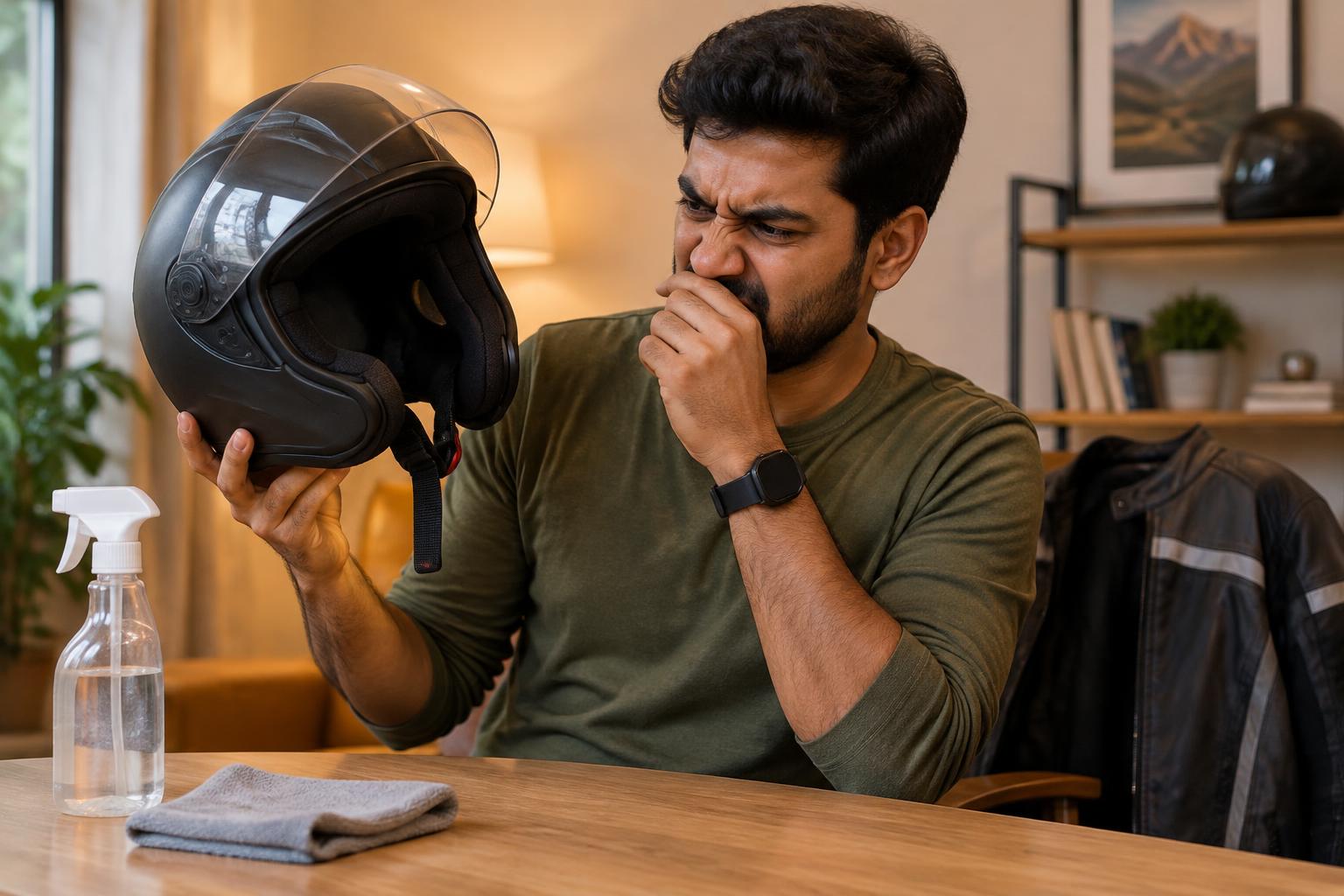
Think about the last time you washed your bedsheets. Your gym clothes? Even that hoodie you practically live in? Now, here's a slightly uncomfortable question.
When was the last time you cleaned the inside of your helmet?
Not the visor. Not the outer shell you occasionally wipe with your sleeve. The actual inside, where your forehead, hair and cheeks spend hours every week.
For something we wear so close to our skin, helmets receive surprisingly little attention. And while calling your helmet the dirtiest thing you own might be a stretch without laboratory testing, the hygiene problem is very real.
Let's get into what might be happening under that shell.
What Actually Builds Up Inside a Motorcycle Helmet?
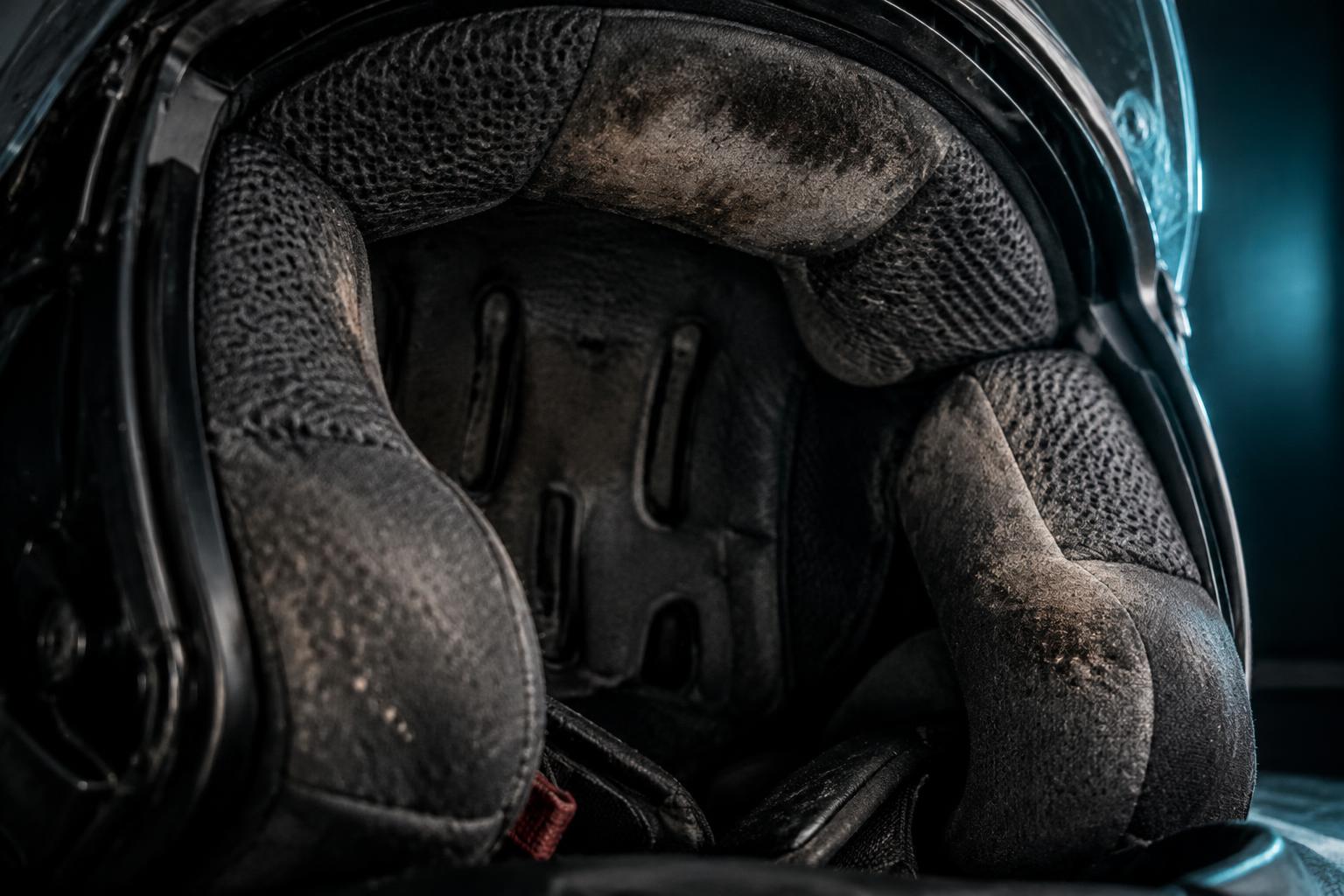
A frequently used helmet can accumulate sweat, skin oils, dead skin cells, dust and microorganisms on its inner padding. How much accumulates depends on riding frequency, climate, helmet design and cleaning habits.
Here's the breakdown.
1. Sweat: The Uninvited Passenger
Your scalp contains sweat glands that help regulate body temperature. During a hot commute, sweat can transfer into the fabric padding that sits against your head.
Once absorbed, moisture may remain in the liner after your ride, particularly when the helmet is stored without adequate ventilation.
The problem isn't sweating itself. That's your body's cooling system doing its job. The problem is what happens when damp fabric stays damp.
2. Skin Oils and Dead Skin Cells
Your skin naturally produces sebum, an oily substance that helps maintain the skin barrier.
Throughout the day, your scalp also sheds skin cells. Both can transfer onto helmet padding through repeated contact. Over time, these substances may accumulate alongside dust and sweat.
Think of your helmet liner as a piece of clothing you wear repeatedly, except it's attached to protective equipment and isn't always easy to wash.
3. Microorganisms: The Invisible Part
Our skin naturally hosts communities of microorganisms, including bacteria and fungi. Most are harmless under normal circumstances.
But fabric in contact with skin can collect microorganisms and compounds associated with body odour.
A 2023 scientific review published in iScience, titled Sweat and Odor in Sportswear, explains how perspiration, skin microorganisms and textile properties contribute to odour formation.
Although the research focuses on clothing rather than motorcycle helmets, similar interactions between skin and fabric are relevant to helmet liners.
That doesn't mean every helmet is a dangerous bacterial hotspot. It means helmet hygiene deserves more attention than it usually gets.
Why Does a Helmet Start Smelling?
Here's an interesting fact: fresh sweat itself is not necessarily responsible for strong body odour.
Odour often develops when microorganisms interact with substances found in sweat and skin oils, producing volatile compounds.
These compounds can remain in fabrics. That's why a helmet may smell perfectly fine when new but develop an unpleasant odour after weeks of regular riding.
And no, spraying perfume inside isn't quite the scientific breakthrough we were hoping for Fragrance can mask odour temporarily. It doesn't automatically remove accumulated oils, dirt or microorganisms.
Does a Dirty Helmet Affect Your Skin?
Potentially, yes. Helmet padding and straps create repeated contact with the forehead, cheeks and chin.
According to the American Academy of Dermatology, equipment that traps heat and sweat while rubbing against the skin can contribute to a condition called acne mechanica.
This type of acne is associated with friction and irritation, especially in people who are already acne-prone.
Dirty padding may add to discomfort, although not every breakout is caused by poor hygiene.
The important distinction is that cleaning your helmet supports better hygiene, but it isn't a guaranteed treatment for acne or other skin conditions.
How Often Should You Clean Your Helmet?
There isn't one universal cleaning schedule that suits every rider.
Someone commuting daily in humid weather will probably need to inspect and clean their helmet more frequently than someone who rides occasionally.
A sensible routine includes:
- Wiping the exterior and visor with suitable products.
- Allowing the helmet to air out after sweaty rides.
- Washing removable comfort liners according to manufacturer instructions.
- Cleaning fixed padding gently using approved methods.
- Making sure everything is completely dry before reassembly.
Helmet manufacturer SHOEI recommends mild, neutral cleaning agents for suitable components and warns against solvents and excessive heat, particularly around impact-absorbing materials.
A very important reminder: your helmet is safety equipment first. Harsh chemicals, soaking unsupported components or aggressive drying methods can damage materials designed to protect your head.
The Hygiene Habit Most Riders Haven't Developed Yet
We wash our clothes because we know they collect sweat and dirt. We clean our shoes because they develop odour. We even wipe our phones, which spend most of their lives in our hands. But helmets somehow escape the routine.
Perhaps it's because the dirt isn't always visible. Perhaps cleaning the interior seems inconvenient. Or perhaps nobody ever told us to do it.
Whatever the reason, a simple shift in awareness could make everyday riding more comfortable.
A Cleaner Helmet Deserves a Place in Your Routine
Helmet care doesn't need to become another complicated weekend project.
Regular maintenance, proper drying and suitable cleaning methods can make a meaningful difference. For riders looking for a convenient additional hygiene service, Helmio offers automated helmet hygiene and sanitization pods designed around everyday commuting.
The idea is simple: make caring for your helmet easier to remember. Because your helmet looks after your head. Looking after your helmet seems like a fair deal.
Frequently Asked Questions
Can bacteria grow inside motorcycle helmets?+
Microorganisms can accumulate on fabrics exposed to skin, sweat and moisture. The amount and type vary with usage, material and storage conditions.
Is it safe to wear the same helmet every day?+
Yes, provided it fits correctly, remains in good condition and is maintained according to the manufacturer's instructions.
Can I spray perfume inside my helmet?+
Fragrance may temporarily cover an unpleasant smell, but it does not replace cleaning. Avoid products that could irritate skin or damage helmet materials.