Science · 6 min read
What Happens Inside Your Helmet During a Hot Ride?
What Really Happens Inside Your Helmet During a 45-Minute Ride in Indian Heat?
31 Oct 2026
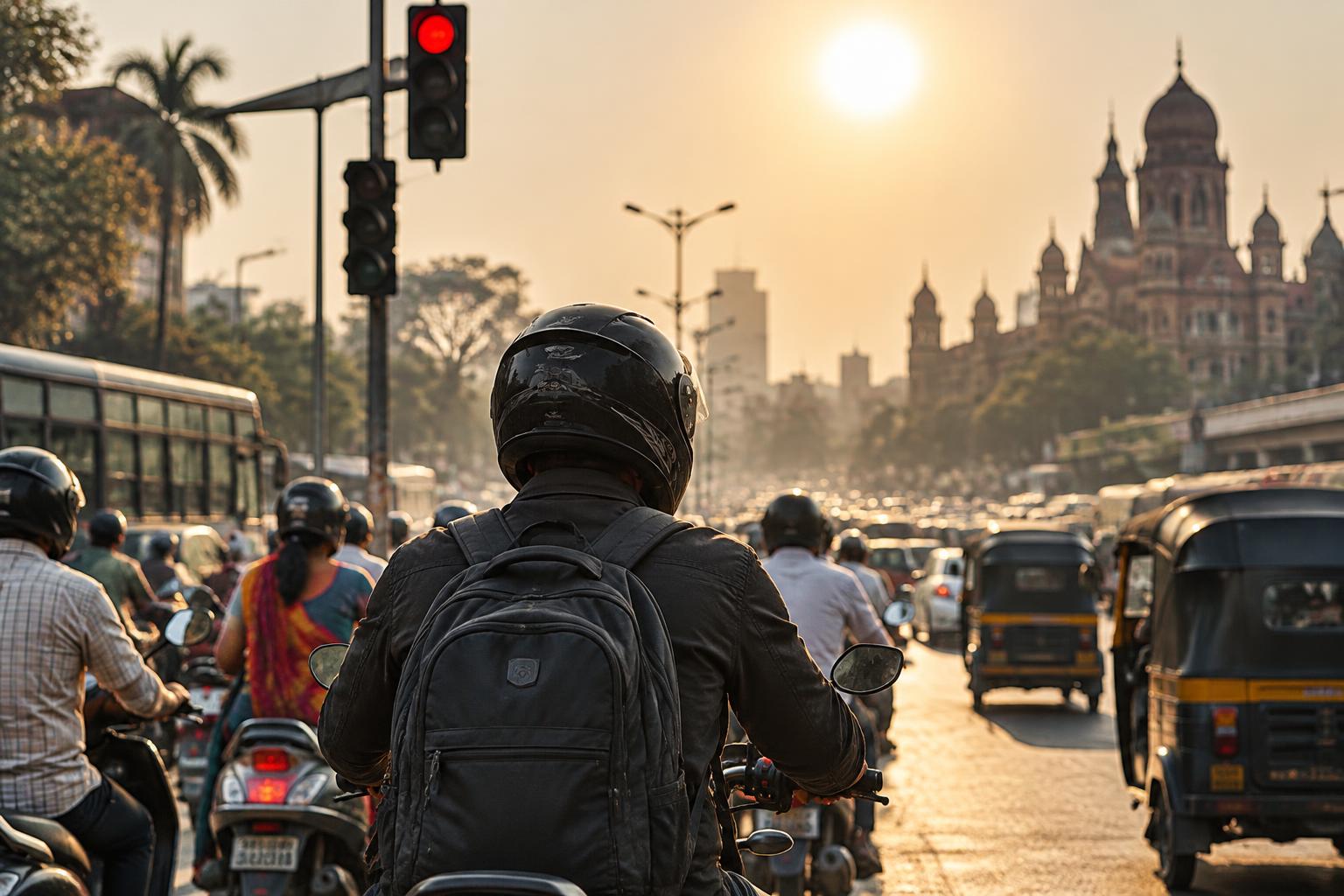
It's 2 PM. The traffic signal has been red for what feels like three business days.
Your bike isn't moving. The sun is doing the absolute most. And inside your helmet, your forehead has officially entered monsoon season. Sound familiar?
Anyone who rides regularly in India knows the feeling. You put on a perfectly dry helmet and arrive at your destination wondering how your hair managed to take a shower without you.
But what's actually happening inside that helmet? Quite a lot, scientifically speaking.
Why Does Your Head Sweat So Much Inside a Helmet?
A motorcycle helmet changes the airflow and heat exchange around your head. During hot weather, this can increase thermal discomfort and allow sweat to accumulate, particularly when ventilation is limited.
Your body constantly works to maintain a stable internal temperature. When you become warm, sweat glands release moisture onto your skin. As that moisture evaporates, it helps remove heat. It's an impressive cooling mechanism.
Unfortunately, evaporation becomes less effective when surrounding air is humid or airflow is restricted. The Indian government's National Centre for Disease Control explains that evaporation is one of the body's main methods of losing heat.
Now add a motorcycle helmet, its protective shell, padding and a particularly stubborn traffic jam. You can see where things get sweaty.
Minute 1 to 15: Your Helmet Starts Feeling Warm
At the beginning of a ride, your helmet padding is usually close to the surrounding temperature. As you continue riding, your scalp produces heat and moisture.
The helmet's ventilation system influences how effectively that heat can escape.
In a 2011 study published in Annals of Occupational Hygiene, researchers examined ventilation changes in full-face motorcycle helmets.
They found that ventilation-related heat loss and internal airflow patterns influenced how riders perceived thermal comfort. In simpler terms, vents matter, but their design and the way air moves through the helmet matter too.
Two helmets with similar-looking ventilation openings may not feel equally comfortable.
Minute 15 to 30: Sweat Meets Helmet Padding
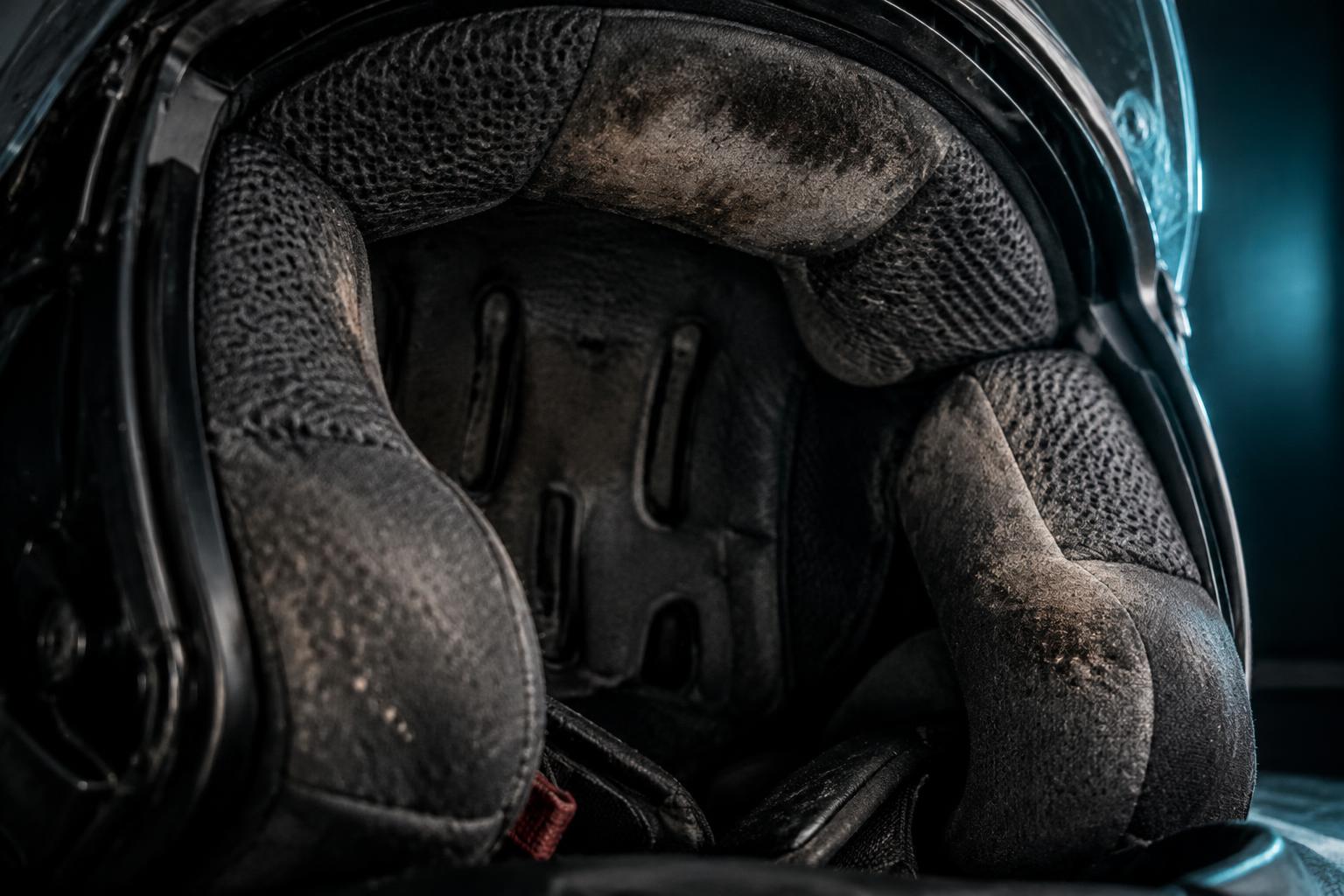
As the ride continues, sweat may begin transferring into the helmet's comfort liner. The padding has an important job. It helps provide a secure, comfortable fit. But because it sits directly against your skin, it also comes into contact with perspiration and skin oils.
Depending on the fabric and ventilation, some moisture may evaporate while some remains in the liner. This becomes particularly noticeable during slow-moving traffic.
At higher speeds, properly designed ventilation systems may move more air through the helmet. At a standstill, that airflow can drop significantly.
Your helmet hasn't suddenly become defective. It's simply operating in conditions where cooling is more challenging.
Minute 30 to 45: The Comfort Problem Becomes Obvious
By this point, some riders may experience damp hair, a sweaty forehead or an uncomfortable sensation around the cheek pads.
The exact experience varies considerably. A rider wearing a well-ventilated helmet on a mild morning may remain comfortable throughout the journey.
Someone travelling in intense afternoon heat with repeated traffic stops may experience much more sweating. A 2009 study examining 27 full-face motorcycle helmets found considerable differences in heat loss between helmet designs.
That's useful information for anyone choosing a helmet. Comfort isn't determined by appearance alone. And before anyone suggests skipping the helmet entirely, absolutely not. Heat discomfort is a reason to improve helmet choice and riding habits, not abandon essential protection.
Does Helmet Sweat Automatically Mean Bacteria?
No. Sweating is a normal physiological process, and sweat itself doesn't automatically make a helmet unhygienic.
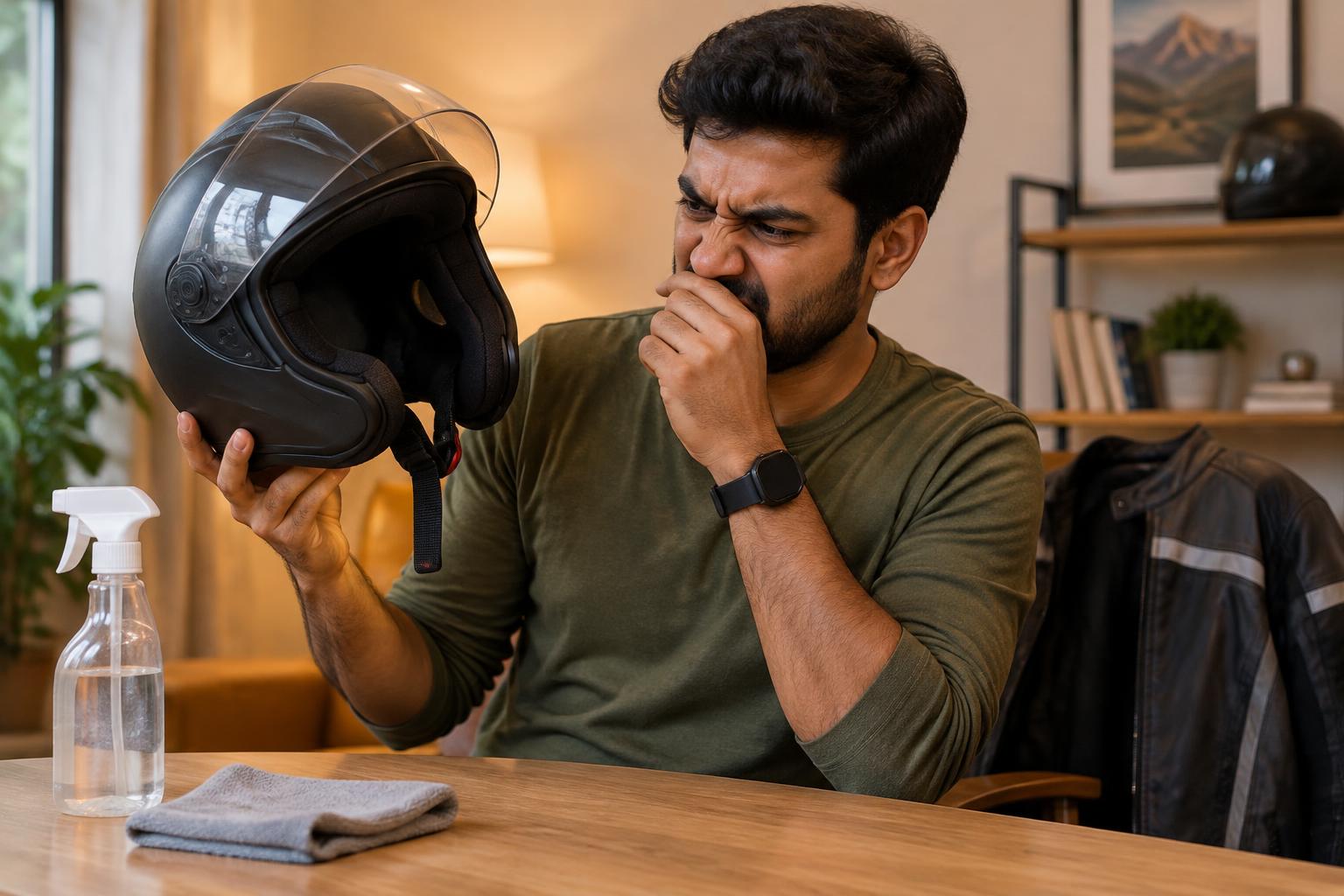
However, repeated exposure to perspiration, skin oils and moisture can contribute to odour and microbial accumulation in fabrics over time. The issue is particularly relevant when a helmet is used repeatedly without sufficient drying. Imagine wearing the same gym T-shirt every day without giving it time to dry properly. Not exactly ideal, right? Your helmet liner deserves similar consideration, although cleaning methods must respect the helmet's protective construction.
How Can Riders Stay More Comfortable in Hot Weather?
A few small habits can help.
- Choose a properly fitted helmet. A helmet that's too tight may create pressure and discomfort. One that's too loose may compromise protection.
- Pay attention to ventilation. Look for thoughtfully designed airflow channels and vents when selecting a helmet.
- Keep vents unobstructed. Follow the manufacturer's instructions for operating and maintaining ventilation components.
- Stay hydrated. Long journeys in hot weather can increase fluid loss through sweating.
- Allow the helmet to dry after use. Leaving a damp helmet inside a closed storage compartment for extended periods can delay drying.
- Clean the liner regularly. Follow manufacturer-approved cleaning methods and ensure removable padding is fully dry before reinstalling it.
Most importantly, take breaks when heat becomes overwhelming. Dizziness, weakness or confusion during hot weather should never be dismissed as ordinary riding discomfort.
What Happens After You Remove Your Helmet?
This is the part most riders forget. Your journey might be over, but the moisture inside your helmet hasn't necessarily disappeared. The padding may still contain sweat, oils and other residues. A little post-ride attention can help keep the interior more comfortable for your next journey.
It's one reason services focused on helmet hygiene are beginning to make sense in everyday commuting environments.
Helmio's automated helmet hygiene pods are designed to make helmet care more convenient for riders who don't always have time for a full cleaning routine.
They complement, rather than replace, manufacturer-recommended washing and maintenance.
After all, the best ride is one where you reach your destination safely, comfortably and preferably without feeling like your forehead ran a marathon.
Frequently Asked Questions
Why do I sweat so much inside my helmet?+
Heat, limited airflow, humidity and your body's normal cooling response can contribute to sweating inside a helmet.
Do helmet vents actually work?+
Research shows that ventilation can influence heat loss and perceived comfort, although effectiveness varies by helmet design and riding conditions.
Should I remove my helmet when stuck in traffic?+
Keep your helmet properly worn and fastened while riding. If heat becomes uncomfortable, stop safely in an appropriate place before removing it.